
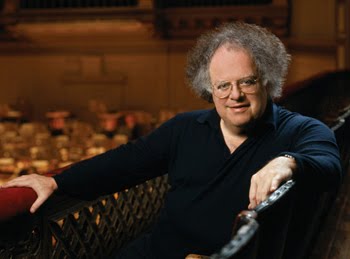
James Lawrence Levine
(Cincinnati, Ohio, 23 de junho de 1943)
é um consagrado maestro e pianista estadunidense. Atual diretor musical do Metropolitan Opera e da Orquestra Sinfônica de Boston.
Levine nasceu em Cincinnati, Ohio em uma família musical: seu avo paterno foi um cantor litúrgico em uma Sinagoga; seu pai foi um violinista e comandava uma banda; e sua mãe era uma atriz. Ele começou a tocar piano ainda pequeno.
Quando tinha apenas 10 anos fez seu primeiro concerto como solista, tocando Concerto para Piano Nº2 de Felix Mendelssohn com a Orquestra Sinfônica de Cincinnati.
Levine estudou música com Walter Levin, primeiro violinista do LaSalle Quartet. Em 1956 ele teve lições de piano com Rudolf Serkin na Escola de Música de Malboro, em Vermont. Nos anos seguintes ele começou a estudar com Rosina Lhévinne na Escola De Música Aspen.
Depis de se graduar na Escola Walnut, uma aclamada escola em Cincinnati, ele entrou para a Escola de Música Juilliard, em Nova Iorque em 1961 e teve aulas com Jean Morel. Ele se graduou em 1964 e uniou-se ao Projeto Maestros Americanos, conectado com a Orquestra Sinfônica de Baltimore.
De 1964 até 1965, Levine serviu como um aprendiz para George Szell com a Orquestra de Cleveland e serviu como maestro assistente até 1970. Nesse mesmo ano fez sua estréia como maestro com a Orquestra da Filadélfia na casa de verão no Robin Hood Dell. Fez sua estréia no mesmo ano com a Ópera Nacional Galês e a Ópera de São Francisco. Levine teve uma associação com a Orquestra Sinfônica de Chicago, onde foi Diretor Musical do Festival de Ravinia de 1973 até 1993.
Levine sua estréia no Metropolitan Opera em Junho de 1971, em uma performance do Festival de Tosca. Seu sucesso conduziu a novas aparições e para sua nomeação como Maestro Principal em 1973. Se tornou Diretor Musical em 1976. Em 1983 serviu como maestro e diretor musical para Franco Zeffirelli na adaptação de La Traviata. Ele se tornou o Primeiro Diretor Artístico em 1986[1] e renunciou em 2004.
Levine fez numerosas apresentações de obras consagradas, como por exemplo: as obras de Mozart, Verdi, Wagner, Richard Strauss, Rossini, Schoenberg, Stravinsky, Weill, Debussy, Berg e Gershwin.
Levine conduziu pela primeira vez a Orquestra Sinfônica de Boston (também conhecida pela sigla BSO) em Abril de 1972. Em Outubro de 2001, Levine foi nomeado Diretor Musical da Orquestra, efetivo entre 2004-2005, com um contrato inicial de cinco anos. É o primeiro estadunidense a conduzir essa orquestra.
A única condição que Levin negociou foi sobre a flexibilidade no tempo para os ensaios, graças a isso a orquestra tem um tempo adicional para se preparar. Desde o início do seu contrato, a orquestra criou um "Fundo de Iniciativo Artístico" de aproximadamente 100 milhões de reais, para financiar os projetos mais caros de Levine.
Levine conduz regularmente na Europa, com a Filarmônica de Viena, Filarmônica de Berlim e em festivais, como o Festival de Bayreuth, Festival de Salzburgo e o Festival de Verbier que ocorre anualmente em Julho. De 1999 até 2004 foi Maestro Chefe da Orquestra Filarmônica de Munique.
Desde 2005 Levine é o Diretor Musical do Centro Musical de Tanglewood, uma academia de verão da Orquestra Sinfônica de Boston.
Levine teve que lidar com questões de saúde nos últimos anos, incluindo a ciática e aquilo que ele chama de "tremura intermitentes". Em 1 de Março de 2006, Levine caiu no palco durante a ovação em pé após uma performance com a Orquestra Sinfônica de Boston, onde rasgou seu manguito rotador em seu ombro direito. Mais tarde foi submetido a uma cirurgia para reparar o prejuízo. Voltou ao pódio em 7 de Julho de 2006, regendo a Orquestra Sinfônica de Boston em Tanglewood. Em 2008 a orquestra anunciou a retirada da maioria dos concertos em Tanglewood graças à necessidade de cirurgia para retirar um rim com um cisto maligno. Retornou ao pódio em Boston, em 24 de Setembro de 2008.
Pesquisa;
Internet/Wikipédia/You Tube
(Cincinnati, Ohio, 23 de junho de 1943)
é um consagrado maestro e pianista estadunidense. Atual diretor musical do Metropolitan Opera e da Orquestra Sinfônica de Boston.
Levine nasceu em Cincinnati, Ohio em uma família musical: seu avo paterno foi um cantor litúrgico em uma Sinagoga; seu pai foi um violinista e comandava uma banda; e sua mãe era uma atriz. Ele começou a tocar piano ainda pequeno.
Quando tinha apenas 10 anos fez seu primeiro concerto como solista, tocando Concerto para Piano Nº2 de Felix Mendelssohn com a Orquestra Sinfônica de Cincinnati.
Levine estudou música com Walter Levin, primeiro violinista do LaSalle Quartet. Em 1956 ele teve lições de piano com Rudolf Serkin na Escola de Música de Malboro, em Vermont. Nos anos seguintes ele começou a estudar com Rosina Lhévinne na Escola De Música Aspen.
Depis de se graduar na Escola Walnut, uma aclamada escola em Cincinnati, ele entrou para a Escola de Música Juilliard, em Nova Iorque em 1961 e teve aulas com Jean Morel. Ele se graduou em 1964 e uniou-se ao Projeto Maestros Americanos, conectado com a Orquestra Sinfônica de Baltimore.
De 1964 até 1965, Levine serviu como um aprendiz para George Szell com a Orquestra de Cleveland e serviu como maestro assistente até 1970. Nesse mesmo ano fez sua estréia como maestro com a Orquestra da Filadélfia na casa de verão no Robin Hood Dell. Fez sua estréia no mesmo ano com a Ópera Nacional Galês e a Ópera de São Francisco. Levine teve uma associação com a Orquestra Sinfônica de Chicago, onde foi Diretor Musical do Festival de Ravinia de 1973 até 1993.
Levine sua estréia no Metropolitan Opera em Junho de 1971, em uma performance do Festival de Tosca. Seu sucesso conduziu a novas aparições e para sua nomeação como Maestro Principal em 1973. Se tornou Diretor Musical em 1976. Em 1983 serviu como maestro e diretor musical para Franco Zeffirelli na adaptação de La Traviata. Ele se tornou o Primeiro Diretor Artístico em 1986[1] e renunciou em 2004.
Levine fez numerosas apresentações de obras consagradas, como por exemplo: as obras de Mozart, Verdi, Wagner, Richard Strauss, Rossini, Schoenberg, Stravinsky, Weill, Debussy, Berg e Gershwin.
Levine conduziu pela primeira vez a Orquestra Sinfônica de Boston (também conhecida pela sigla BSO) em Abril de 1972. Em Outubro de 2001, Levine foi nomeado Diretor Musical da Orquestra, efetivo entre 2004-2005, com um contrato inicial de cinco anos. É o primeiro estadunidense a conduzir essa orquestra.
A única condição que Levin negociou foi sobre a flexibilidade no tempo para os ensaios, graças a isso a orquestra tem um tempo adicional para se preparar. Desde o início do seu contrato, a orquestra criou um "Fundo de Iniciativo Artístico" de aproximadamente 100 milhões de reais, para financiar os projetos mais caros de Levine.
Levine conduz regularmente na Europa, com a Filarmônica de Viena, Filarmônica de Berlim e em festivais, como o Festival de Bayreuth, Festival de Salzburgo e o Festival de Verbier que ocorre anualmente em Julho. De 1999 até 2004 foi Maestro Chefe da Orquestra Filarmônica de Munique.
Desde 2005 Levine é o Diretor Musical do Centro Musical de Tanglewood, uma academia de verão da Orquestra Sinfônica de Boston.
Levine teve que lidar com questões de saúde nos últimos anos, incluindo a ciática e aquilo que ele chama de "tremura intermitentes". Em 1 de Março de 2006, Levine caiu no palco durante a ovação em pé após uma performance com a Orquestra Sinfônica de Boston, onde rasgou seu manguito rotador em seu ombro direito. Mais tarde foi submetido a uma cirurgia para reparar o prejuízo. Voltou ao pódio em 7 de Julho de 2006, regendo a Orquestra Sinfônica de Boston em Tanglewood. Em 2008 a orquestra anunciou a retirada da maioria dos concertos em Tanglewood graças à necessidade de cirurgia para retirar um rim com um cisto maligno. Retornou ao pódio em Boston, em 24 de Setembro de 2008.
Pesquisa;
Internet/Wikipédia/You Tube


